
 Call us now:


In modern architecture and outdoor design, awnings have become an essential feature for both residential and commercial spaces. They are not just about protection from the sun or rain—they represent a combination of comfort, energy efficiency, and aesthetic enhancement. Whether installed over windows, doors, patios, or storefronts, awnings offer a practical and stylish solution to improve any space.
From homes to restaurants and retail outlets, awnings are widely used to create functional outdoor environments that are both attractive and comfortable. Let’s explore how awnings are transforming spaces and why they are a smart investment.
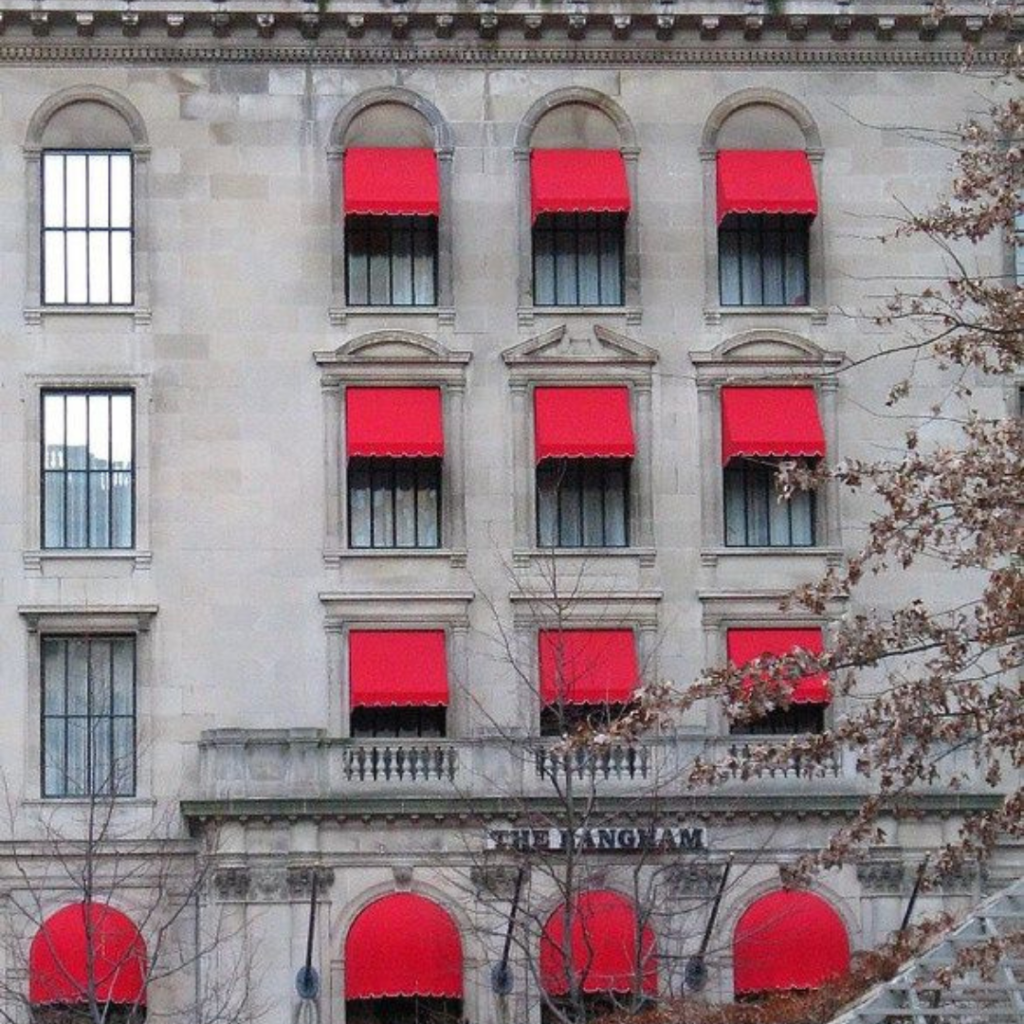
What Are Awnings?
Awnings are secondary coverings attached to the exterior walls of buildings. They are typically made using materials like fabric, canvas, acrylic, or metal sheets, supported by a lightweight frame. Awnings can be either fixed or retractable, depending on the requirement.
Their primary function is to provide shade and weather protection, but their role has evolved significantly in recent years. Today, awnings are also used to enhance the overall design and usability of a space.
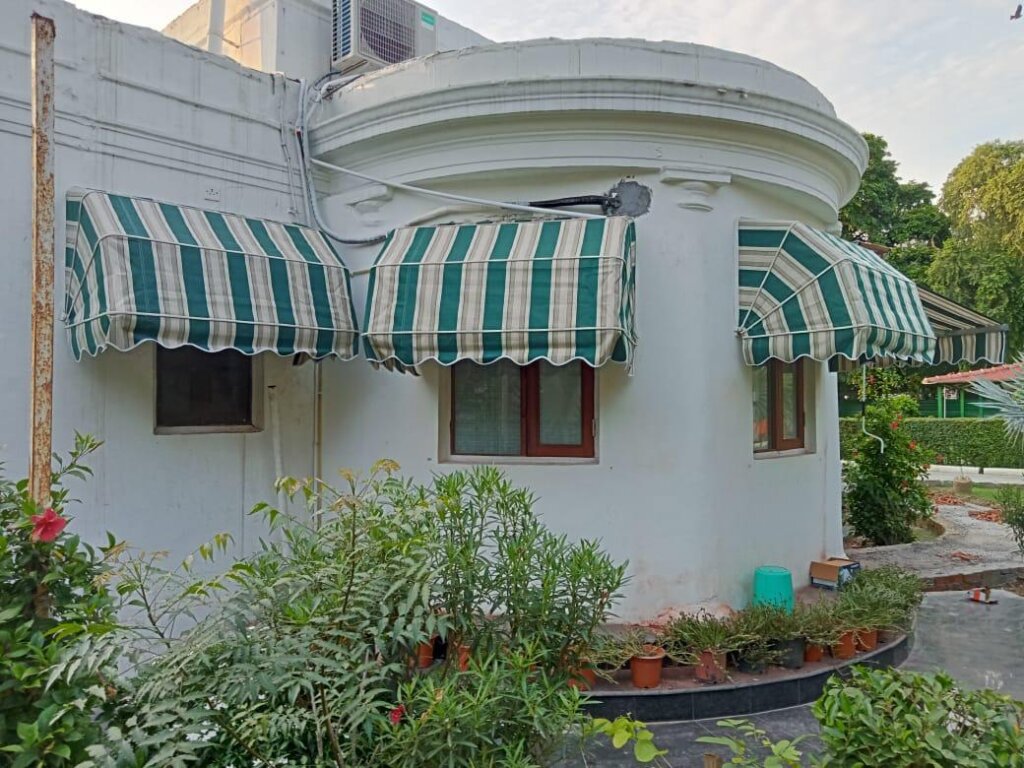
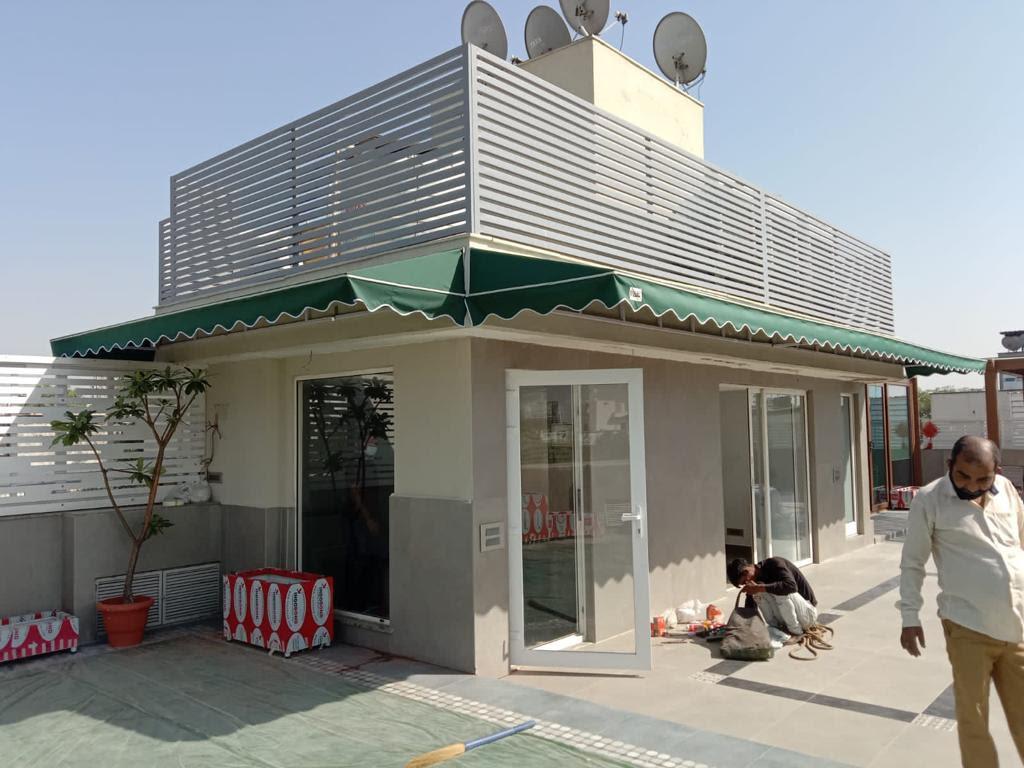
Types of Awnings
1. Fixed Awnings
Fixed awnings are permanent structures that provide continuous protection. They are sturdy, durable, and ideal for areas that require constant coverage, such as windows, entrances, and walkways.
2. Retractable Awnings
Retractable awnings offer flexibility, allowing users to extend or retract them as needed. They can be operated manually or with motorized systems, making them perfect for patios, balconies, and outdoor seating areas.
3. Window and Door Awnings
These are smaller awnings designed specifically to cover windows and doors. They help in reducing heat inside buildings while adding a decorative touch to the exterior.
4. Commercial Awnings
Commonly used in shops, cafes, and restaurants, commercial awnings not only provide shade but also act as a branding element, often displaying business names or logos.
Key Benefits of Awnings
1. Protection from Weather
Awnings provide effective protection against harsh sunlight, rain, and even light winds. This makes outdoor spaces usable throughout the year.
2. Energy Efficiency
One of the biggest advantages of awnings is their ability to reduce indoor temperatures. By blocking direct sunlight, they help in lowering heat gain, which can significantly reduce air conditioning costs.
3. Enhanced Outdoor Living
Awnings allow you to extend your living space outdoors. Whether it’s a patio, terrace, or garden, they create a comfortable shaded area for relaxation and entertainment.
4. Aesthetic Appeal
Modern awnings are available in a wide range of designs, colors, and materials. They can instantly improve the visual appeal of a building, giving it a more stylish and contemporary look.
5. Increased Property Value
Installing awnings can enhance the functionality and appearance of a property, which may contribute to its overall value.
Applications of Awnings
Awnings are highly versatile and can be used in a variety of settings:
Residential Use
- Balconies and terraces
- Windows and doors
- Gardens and patios
- Car parking areas
Commercial Use
- Restaurants and cafes for outdoor seating
- Retail stores for customer comfort and branding
- Hotels and resorts for enhanced guest experience
Public Spaces
- Walkways and waiting areas
- Parks and recreational zones
In all these applications, awnings provide a balance of comfort, protection, and style.
Materials Used in Awnings
The durability and performance of awnings largely depend on the materials used. Some common materials include:
- Fabric (Acrylic or Polyester): Lightweight, flexible, and available in various colors and patterns
- PVC-Coated Fabrics: Waterproof and highly durable
- Metal (Aluminum or Steel): Strong and long-lasting, often used for fixed structures
- Polycarbonate Sheets: Provide transparency along with protection
Choosing the right material depends on the specific requirements, location, and design preferences.