 Call us now:

In today’s fast-evolving architectural landscape, tensile structures have emerged as a perfect blend of functionality, flexibility, and modern aesthetics. Whether it’s a commercial complex, residential property, or public infrastructure, tensile solutions are redefining how we design and use spaces. Among the most popular and practical options are Retractable Tensile Structures, Tensile Roof Structures, and Tensile Walkway Structures.
Each of these structures serves a unique purpose while maintaining the core benefits of tensile technology—lightweight design, durability, and visual appeal. Let’s explore how these innovative systems are transforming modern construction.
Retractable Tensile Structures: Flexibility at Its Best
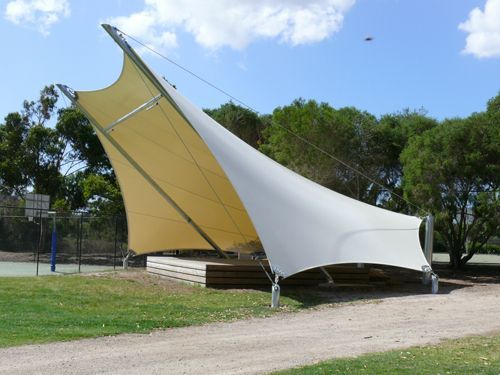
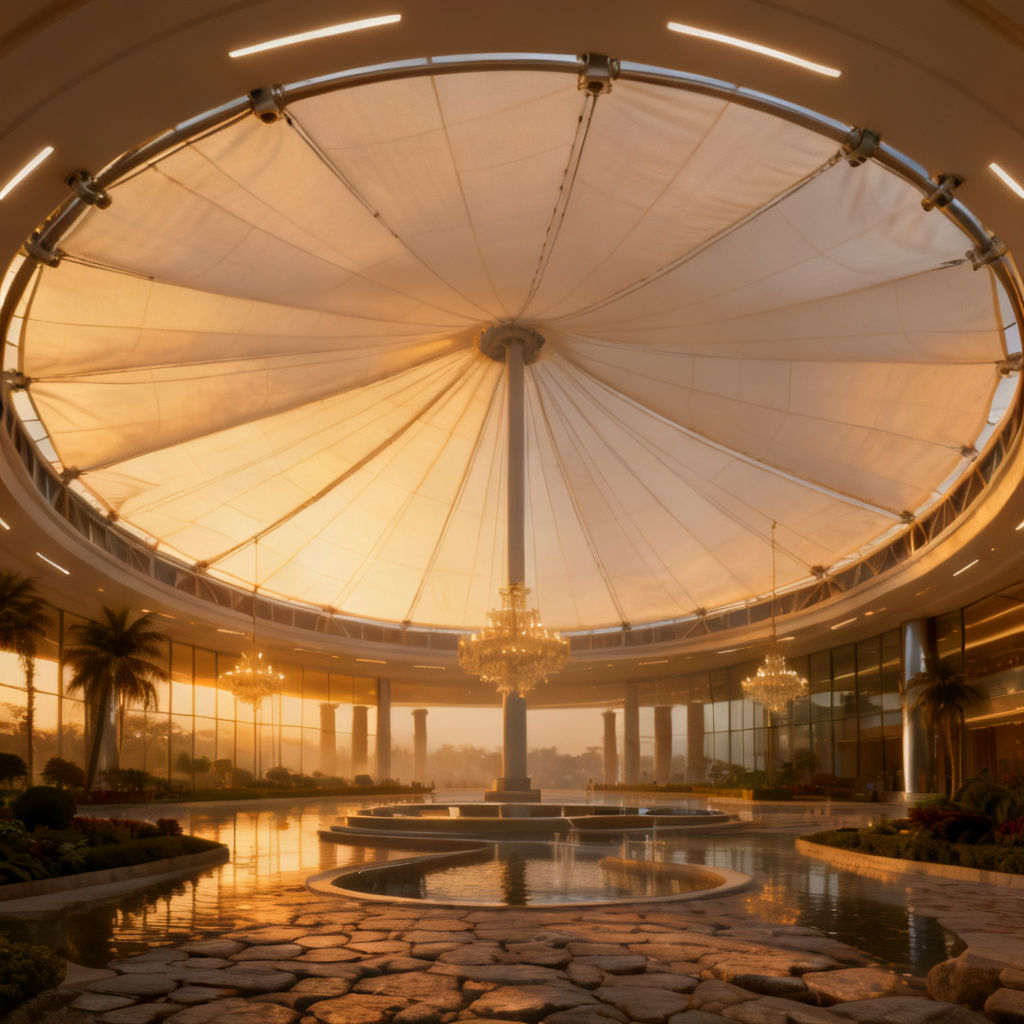
Retractable tensile structures are designed for dynamic environments where adaptability is essential. Unlike fixed structures, these systems can be opened or closed as needed, offering unmatched versatility.
Key Features:
- Adjustable design for open and covered spaces
- Weather-responsive functionality
- Smooth manual or motorized operation
- Modern and elegant appearance
Benefits:
One of the biggest advantages of retractable tensile structures is their ability to adapt to changing weather conditions. On sunny days, the structure can provide shade, while during pleasant weather, it can be retracted to allow natural light and ventilation. This flexibility makes them ideal for restaurants, cafes, terraces, swimming pools, and event venues.
They also enhance user experience by creating a multi-functional space. For businesses, this means better utilization of space and increased customer comfort. Additionally, these structures are built using high-quality materials that ensure durability and long-term performance with minimal maintenance.
Tensile Roof Structures: Strength Meets Aesthetics
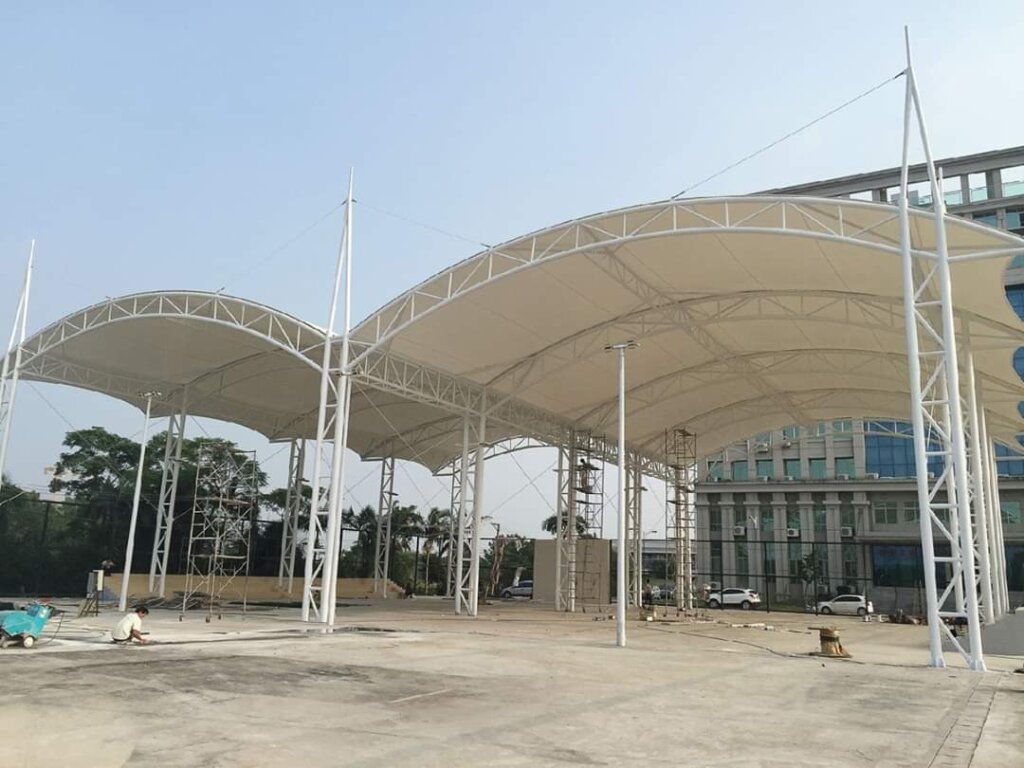
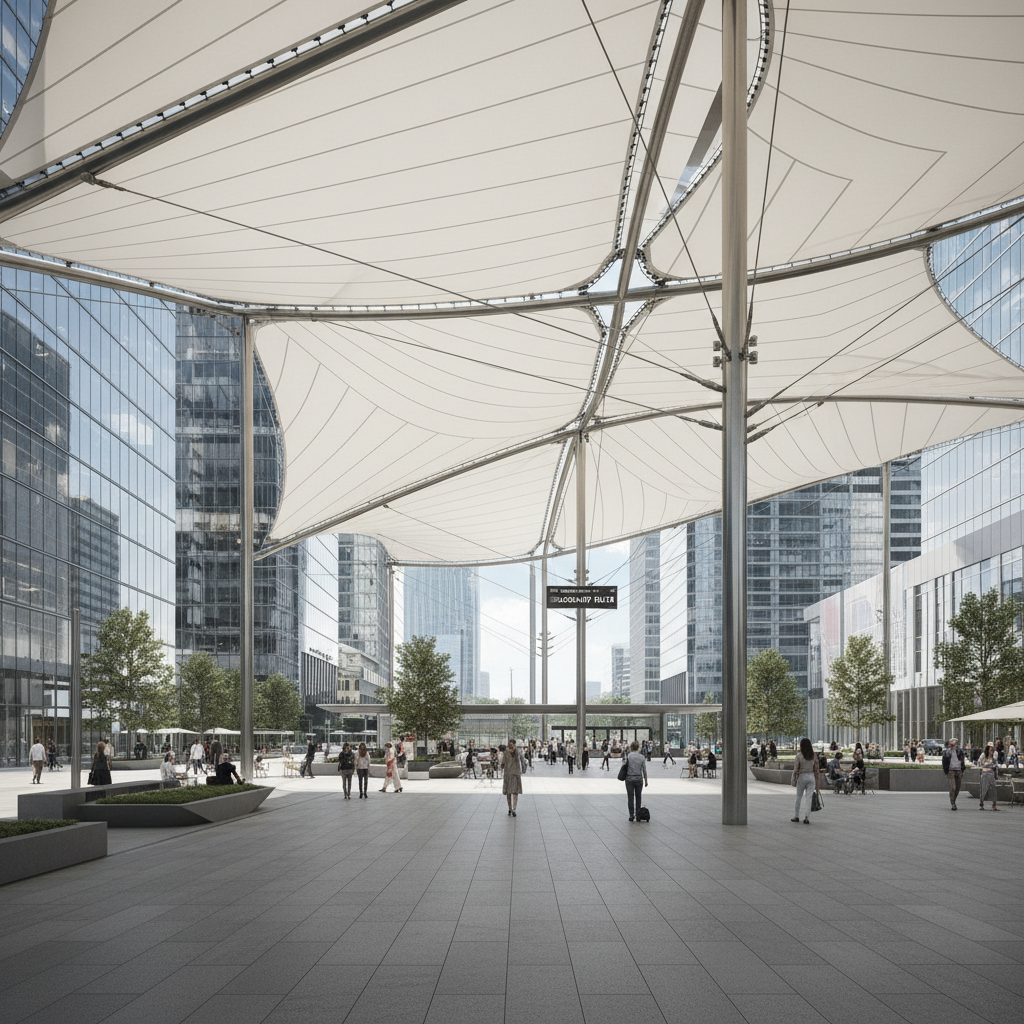
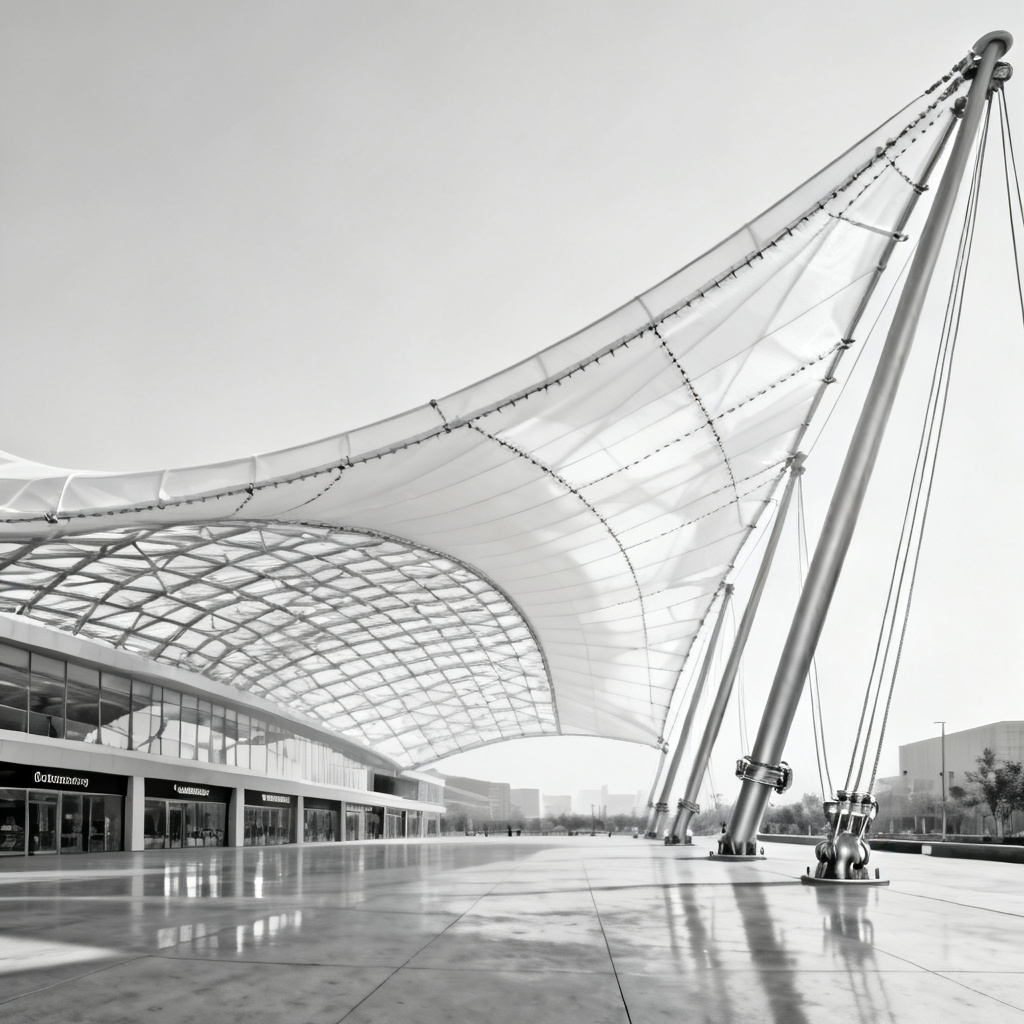
Tensile roof structures are one of the most widely used tensile solutions in both residential and commercial projects. These structures are designed to provide large-span coverage without heavy supporting elements, making them both practical and visually striking.
Key Features:
- Lightweight yet strong framework
- Capable of covering large areas
- Modern architectural appeal
- High resistance to environmental conditions
Benefits:
Tensile roof structures are ideal for spaces that require wide coverage, such as parking areas, auditoriums, stadiums, warehouses, and outdoor seating zones. Their ability to span large distances without multiple columns ensures maximum usable space.
In addition to functionality, these structures also add a distinct architectural identity to any project. Their sleek and contemporary designs make buildings stand out while maintaining structural efficiency.
Another significant advantage is their energy efficiency. The materials used in tensile roofs often allow natural light to pass through, reducing the need for artificial lighting during the day. At the same time, they provide protection against harsh sunlight, rain, and other weather conditions.
Tensile Walkway Structures: Protection with Style
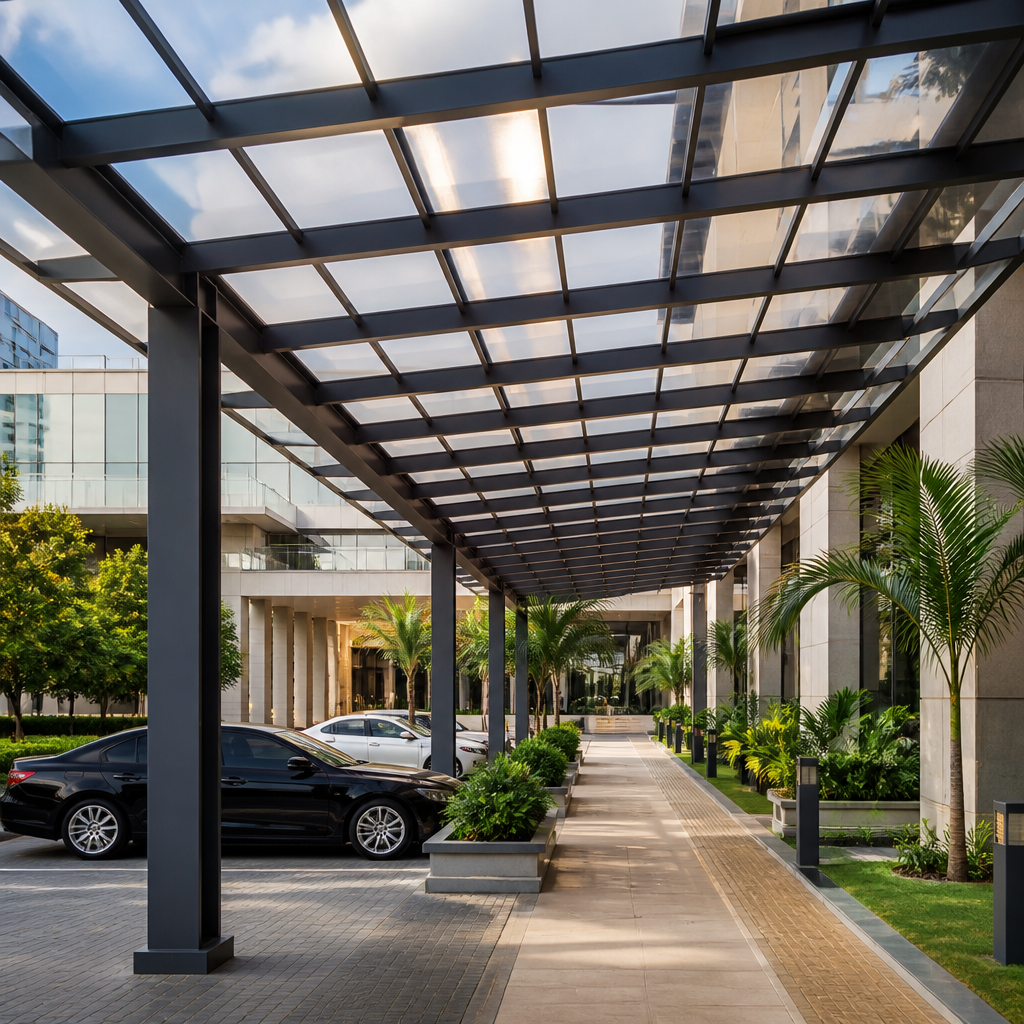
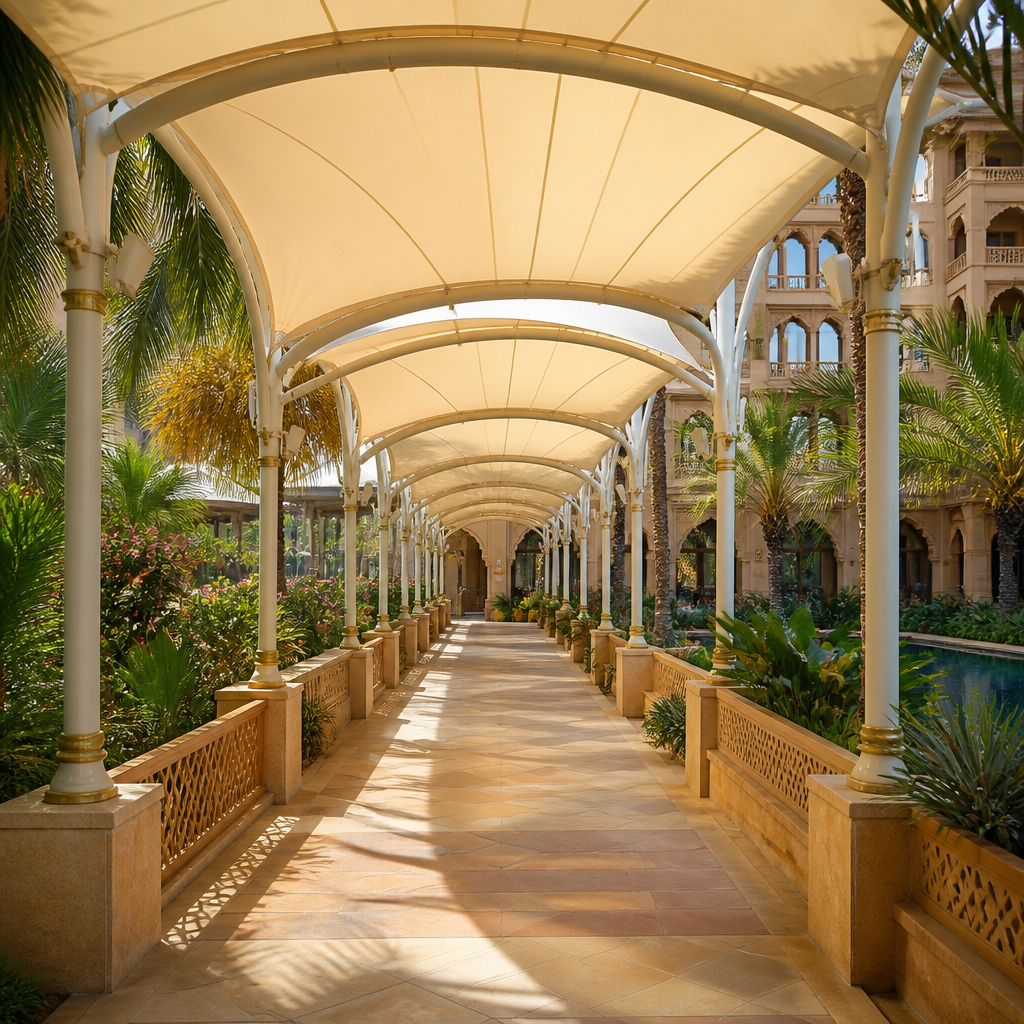
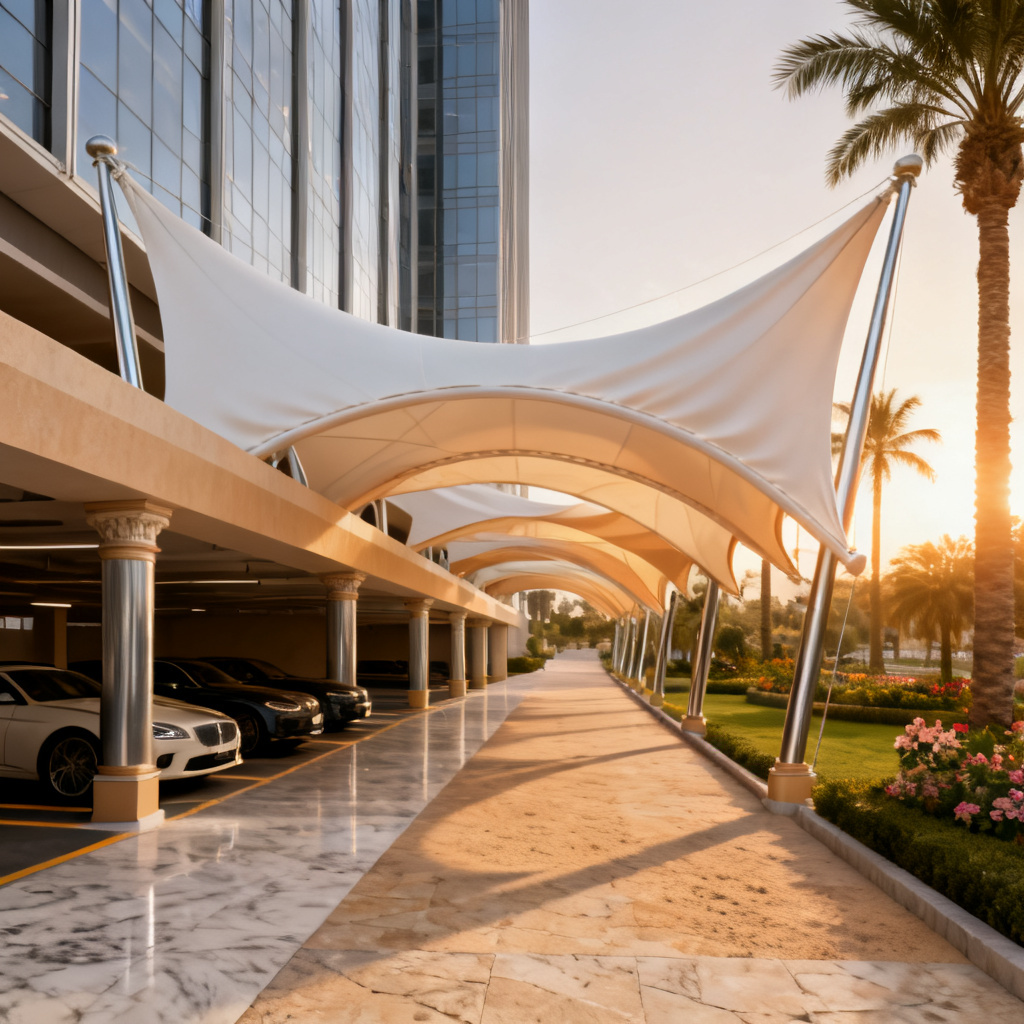
Walkways are an essential part of any infrastructure, especially in commercial complexes, hospitals, educational institutions, and public spaces. Tensile walkway structures provide a safe, covered, and visually appealing pathway for pedestrians.
Key Features:
- Designed specifically for pedestrian pathways
- Durable and weather-resistant materials
- Customizable shapes and sizes
- Seamless integration with surroundings
Benefits:
The primary purpose of tensile walkway structures is to offer protection from weather elements such as sun and rain. However, they do much more than just provide shelter. These structures enhance the overall aesthetics of the space, creating a welcoming and organized environment.
They are particularly useful in high-traffic areas where comfort and safety are priorities. By ensuring a covered pathway, they improve user convenience and accessibility.
Moreover, tensile walkway structures are cost-effective and easy to install, making them a practical choice for both small and large projects. Their lightweight nature reduces the need for heavy support systems, resulting in faster construction and lower overall costs.